



Caring for Your Modern Mood Gold Jewelry
What is the best way to sterilize gold jewelry?
In a traditional autoclave, a STATIM or an Enbio S?
For a piercing to heal beautifully, and for a studio to operate with the highest integrity, proper sterilization is non-negotiable. While all three machines—a traditional autoclave, a STATIM, and an Enbio S—are the bees knees of sterilization, they each have a different approach, that can be fine for one thing and not so great for another.
Here’s a breakdown of how to handle your precious pieces 18k and 14k gold jewelry and what that means for your clients, your studio, and your peace of mind.
First let's talk about 18 karat & 14 karat gold.
The karat of gold refers to its purity. 18k gold is 75% pure gold, while 14k gold is 58.3% pure gold. The remaining percentage is made up of other metal alloys like copper, palladium and silver, which contribute to hardness and color.
18k and 14k gold have alloys that make them durable for everyday wear as body jewelry. This means they are a mix of pure gold and other, stronger metals like copper, silver, or palladium.
18k Gold:
-
Because of its higher pure gold content and less alloys, 18k gold is naturally more resistant to tarnishing than 14k gold. Pairing this quality with a STATIM's faster, gentler processing cycle is a recipe for success—ensuring a brilliant piece of jewelry and a stress-free experience for your studio.
14k Gold:
-
Due to its higher alloy content (especially copper in rose gold or certain yellow gold formulations), 14k gold might be slightly more susceptible to tarnishing or subtle color changes with prolonged exposure to high heat and moisture. A STATIM's shorter cycle can be advantageous here.
Pure gold (24k) is very soft. It’s generally too soft for everyday jewelry, especially piercings since pure gold bends and scratches easily. Yet in many parts of the world, particularly across Asia and the Middle East, people wear 24k gold jewelry daily as a cherished symbol of wealth, tradition, and good fortune.
Please ensure that all pieces are thoroughly cleaned by being run through an ultrasonic before sterilization to remove any surface contaminants, which can react with steam and cause discoloration.
Okay, so which autoclave works best for Modern Mood's gold jewelry?
Chamber Autoclaves
(NOT RECOMMENDED FOR GOLD! but we can still be friends)
Traditional chamber autoclaves use pressurized steam at high temperatures (typically 121°C - 132°C/250°F - 270°F) for a specific duration of around 30-45 minutes to kill microorganisms, depending on your autoclave, please refer to the manual.
Sometimes we see old school autoclaves like a Pelton & Crane model but even with new insulation, an older autoclave like our old pal carries significant hidden risks. These machines can have underlying issues from years of stress, such as chamber corrosion, brittle wiring, or worn-out safety valves. Investing in such a unit is not only a financial risk but can also compromise your safety and sterilization integrity. It's simply not worth the gamble.
Advantages:
-
High Capacity: Autoclaves can sterilize a large volume of instruments and items in a single cycle.
-
Cost-Effective per Cycle: Generally, the per-cycle cost can be lower for larger loads.
-
Versatile: Can sterilize a wide range of materials, including most heat-stable metals.
Disadvantages:
-
Longer Cycle Times: A typical cycle can take 30-60 minutes, including drying time.
-
Potential for Tarnishing/Discoloration: Prolonged exposure to high heat and moisture can potentially lead to tarnishing or slight discoloration of some gold alloys, especially those with higher copper content (often found in 14k gold).
-
Water Spots: If not properly dried, water spots can form on the gold.
-
The real issue with traditional autoclaves isn't the gold itself—it's the metals it's mixed with.
-
Oxidation and Discoloration: The high heat and moisture from a traditional steam autoclave can cause the alloyed metals to oxidize. This oxidation can cause the jewelry to tarnish, discolor, and lose its bright, shiny finish. You might see a change in color, or the piece might look dull and hazy. This is particularly true for alloys with a higher copper or silver content.
-
STATIM Autoclave
(RECOMMENDED FOR GOLD, easy breezy!!!)
A STATIM (short for "stat" which is Latin for "immediately") is a type of cassette sterilizer that uses an unfractionated steam-flush pressure-pulse system to achieve sterilization rapidly. It's a game-changer for piercers, ensuring they can prioritize safety without sacrificing convenience.
Here's the breakdown of what that complex-sounding paragraph above really means:
-
Steam-Flush: Instead of just letting steam fill the chamber slowly (like a traditional autoclave), this system "flushes" the chamber with steam. This is an active and aggressive way to push all the air out.
-
Pressure-Pulse: After the steam flush, the system rapidly increases the pressure in the chamber with short, powerful "pulses" of steam. This is what makes the steam get so hot, so fast, and penetrate every little nook and cranny of the items inside.
-
Unfractionated: This is the most technical part. It means the process doesn't stop to create a vacuum between the steam pulses. The pressure in the chamber stays above atmospheric pressure the whole time. This is a crucial design feature because it prevents air from leaking back in, which is a common problem in some other sterilization systems.
In simple terms, an unfractionated steam-flush pressure-pulse system is a highly efficient and modern method of sterilization that uses rapid, powerful bursts of steam to quickly and thoroughly eliminate all air and sterilize the contents. It's the technology that makes machines like the STATIM the go-to choice for piercers who need a fast, reliable, and gentle way to sterilize delicate materials.
Advantages:
-
Rapid Cycle Times: STATIM units are known for their incredibly fast sterilization cycles, often completing a cycle in 6-10 minutes. This reduces the exposure time of the gold to high temperatures and makes friends along the way.
-
Reduced Heat Exposure: The shorter cycle time means less prolonged exposure to high heat, which can be beneficial for delicate materials and may reduce the risk of tarnishing or discoloration of gold.
-
Less Moisture: STATIMs use less water and have a very efficient drying system, which minimizes the risk of water spots.
-
Ideal for Urgent Sterilization: Perfect for sterilizing instruments or jewelry needed quickly between procedures.
Disadvantages:
-
Lower Capacity: STATIM units typically have a smaller chamber size, limiting the number of items that can be sterilized per cycle.
-
Higher Initial Cost: Generally, STATIM units can have a higher initial purchase price compared to traditional autoclaves.
Enbio S Autoclave
(Alternative to STATIM and also recommended for gold)
The Enbio S Autoclave is a Swiss-made, portable, and rapid vacuum steam sterilizer that is FDA approved. It offers efficient sterilization with a smaller footprint and faster cycle times compared to some traditional autoclaves, making it a potential alternative to the STATIM for certain applications.
Advantages:
-
Rapid Cycle Times: The Enbio S can sterilize unwrapped instruments in 7 minutes and wrapped instruments in 15 minutes, including drying time. This reduces the exposure time of gold to high temperatures.
-
Reduced Water Usage: It uses a vacuum sterilizing method that minimizes distilled water usage, reportedly using 1/3 of the water of a STATIM.
-
Compact and Lightweight: The Enbio S is significantly smaller and lighter than many traditional autoclaves, making it suitable for various office settings.
-
Full Drying Capability: It offers full drying capability with vacuum-assisted drying, ensuring completely dry packs.
-
Quiet Operation: The sterilizer is designed to operate quietly.
Disadvantages:
-
Capacity: While not explicitly stated as a disadvantage for gold, its smaller chamber size (tray size: 11 in.) might limit the number of items that can be sterilized per cycle compared to larger traditional autoclaves.
-
Initial Cost: While priced at nearly half of a new STATIM, it still represents an initial investment.
What are the solutions?
This is where specialized autoclaves like the STATIM and Enbio S come in. They are designed for "just-in-time" sterilization using a vacuum and steam pulse system that is much faster and gentler. This rapid process minimizes the high-heat and moisture exposure, which is much kinder to delicate materials and their alloys.
The key difference is the exposure time to extreme heat and steam. A traditional autoclave's long cycle is great for sterilizing tools, but the short, focused bursts of a STATIM or an Enbio S are better matches for the nuanced needs of 18k and 14k gold jewelry. It allows you to sterilize effectively without compromising the beauty or durability of the metal.
|
Feature |
Traditional Autoclave |
STATIM Autoclave |
Enbio S Autoclave |
|---|---|---|---|
|
Cycle Time |
Longer (30-60 minutes) |
Shorter (6-10 minutes) |
Shorter (7-15 minutes, including drying) |
|
Capacity |
High |
Low |
Smaller chamber, suitable for fewer items |
|
Heat Exposure |
Higher due to longer duration |
Lower due to shorter duration |
Lower due to shorter duration |
|
Moisture Risk |
Higher potential for water spots if drying is poor |
Lower, efficient drying system |
Lower, efficient drying system |
|
Tarnishing Risk |
Slightly higher for 14k due to prolonged exposure |
Lower due to reduced exposure |
Lower due to reduced exposure |
|
Initial Cost |
Generally lower |
Generally higher |
Generally lower than a new STATIM |
|
Best For |
Large batches, less urgent sterilization |
Small, urgent batches, delicate items |
Small, urgent batches, delicate items |
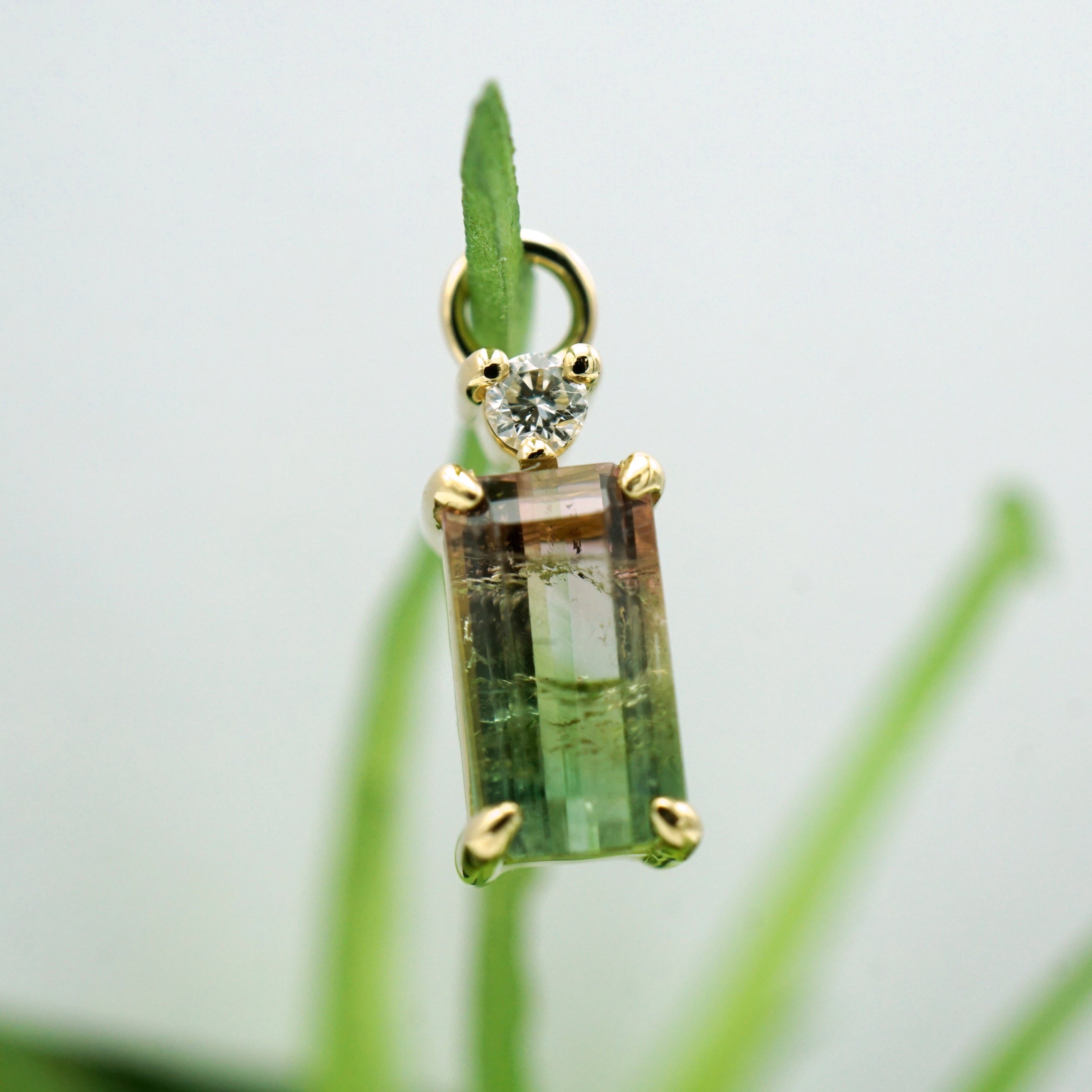
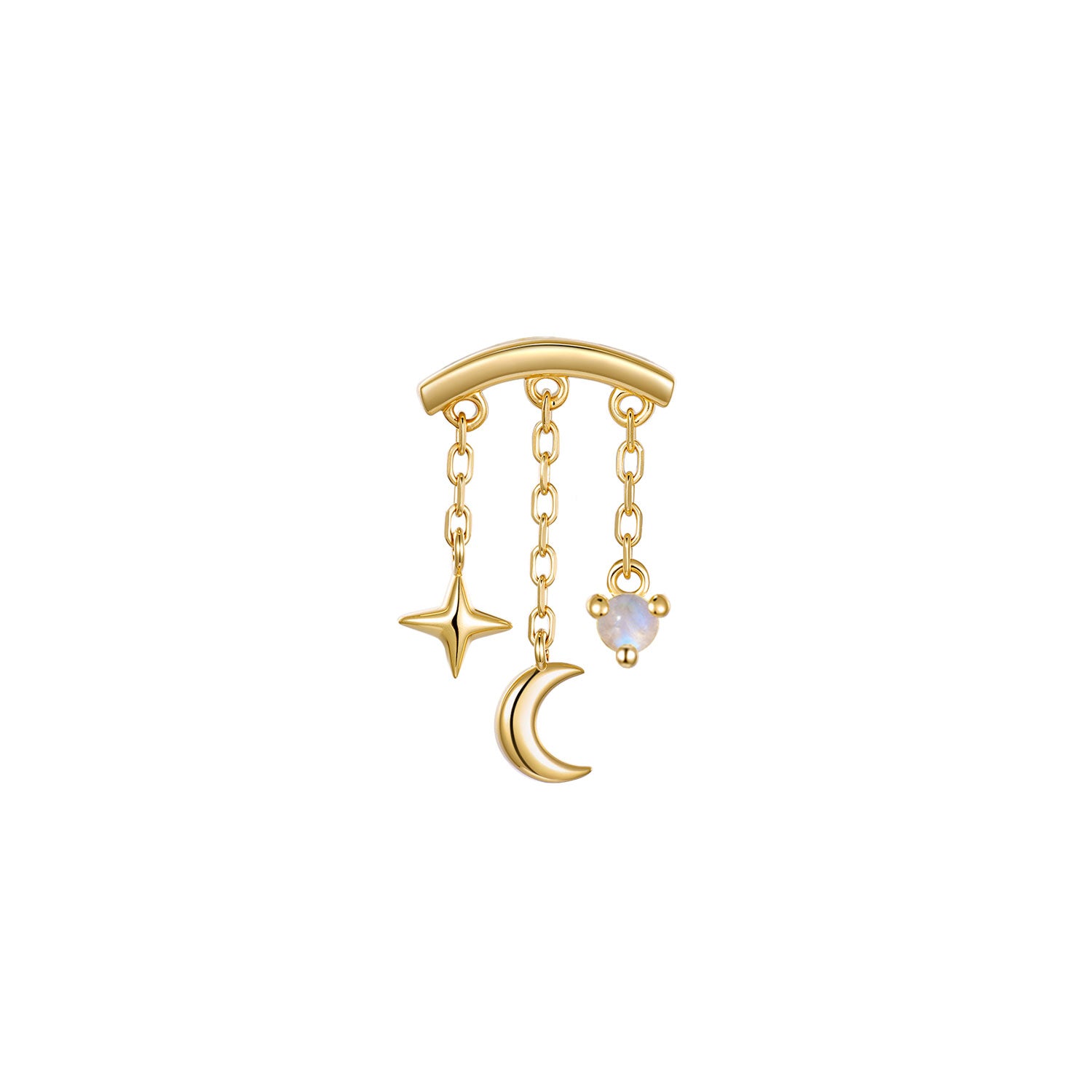
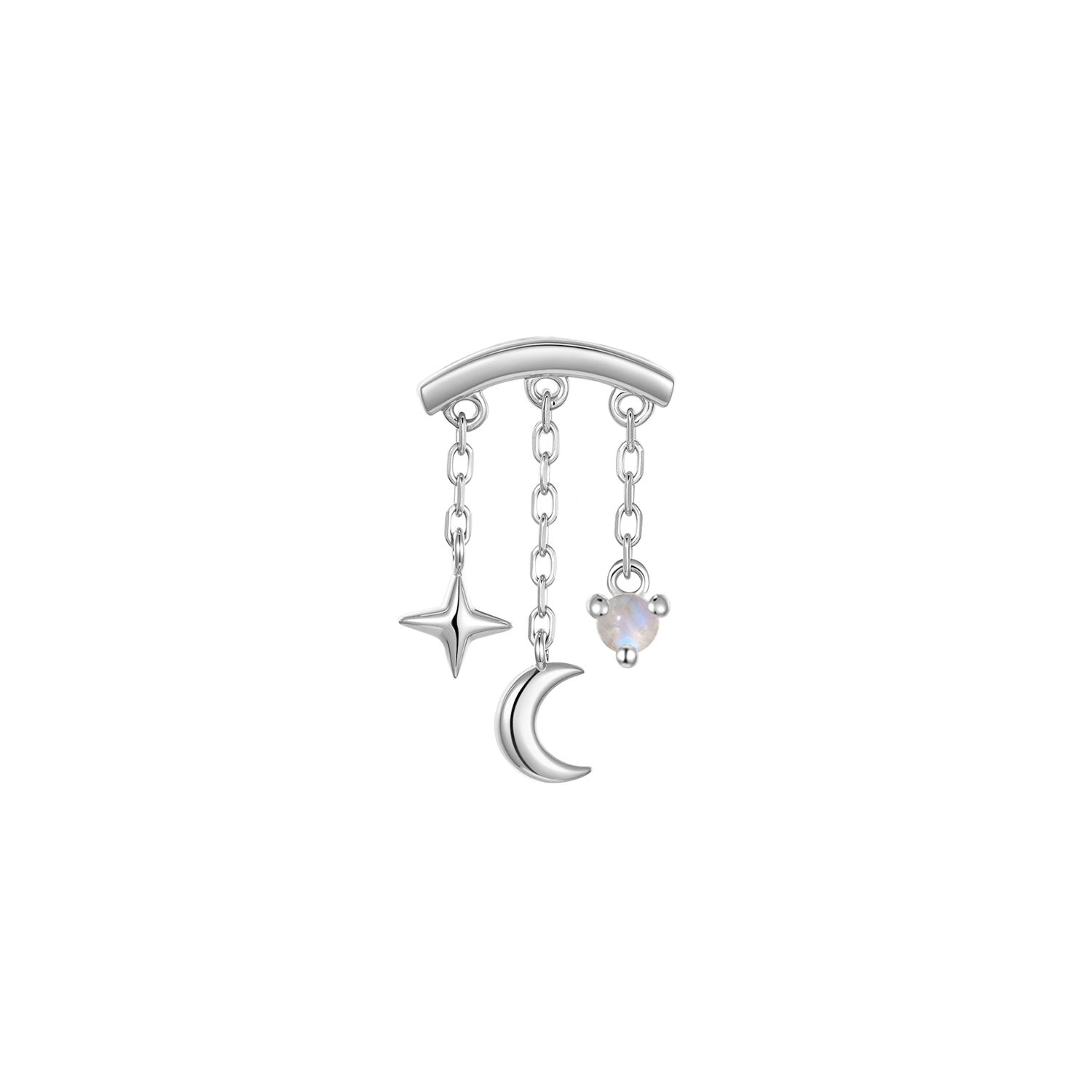
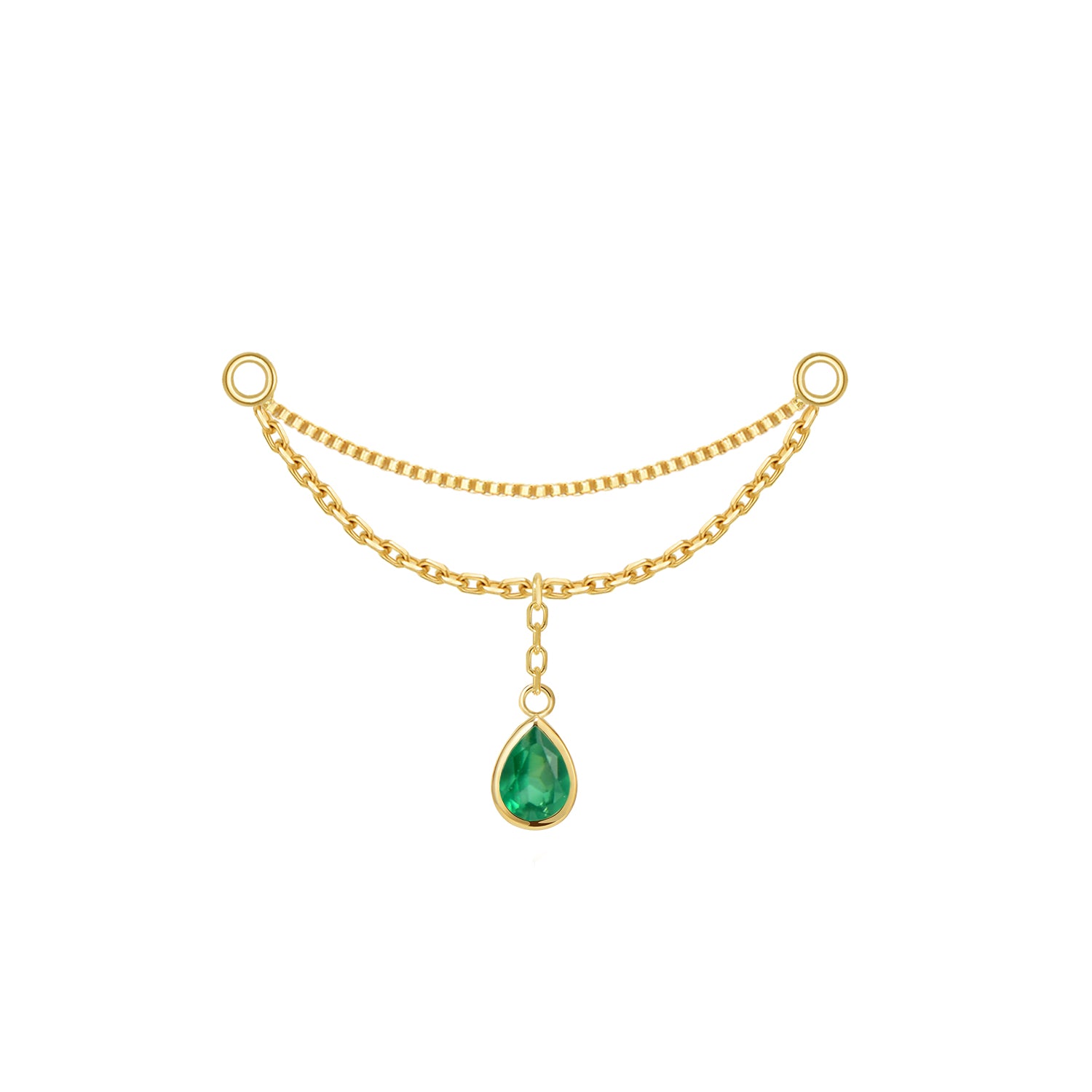
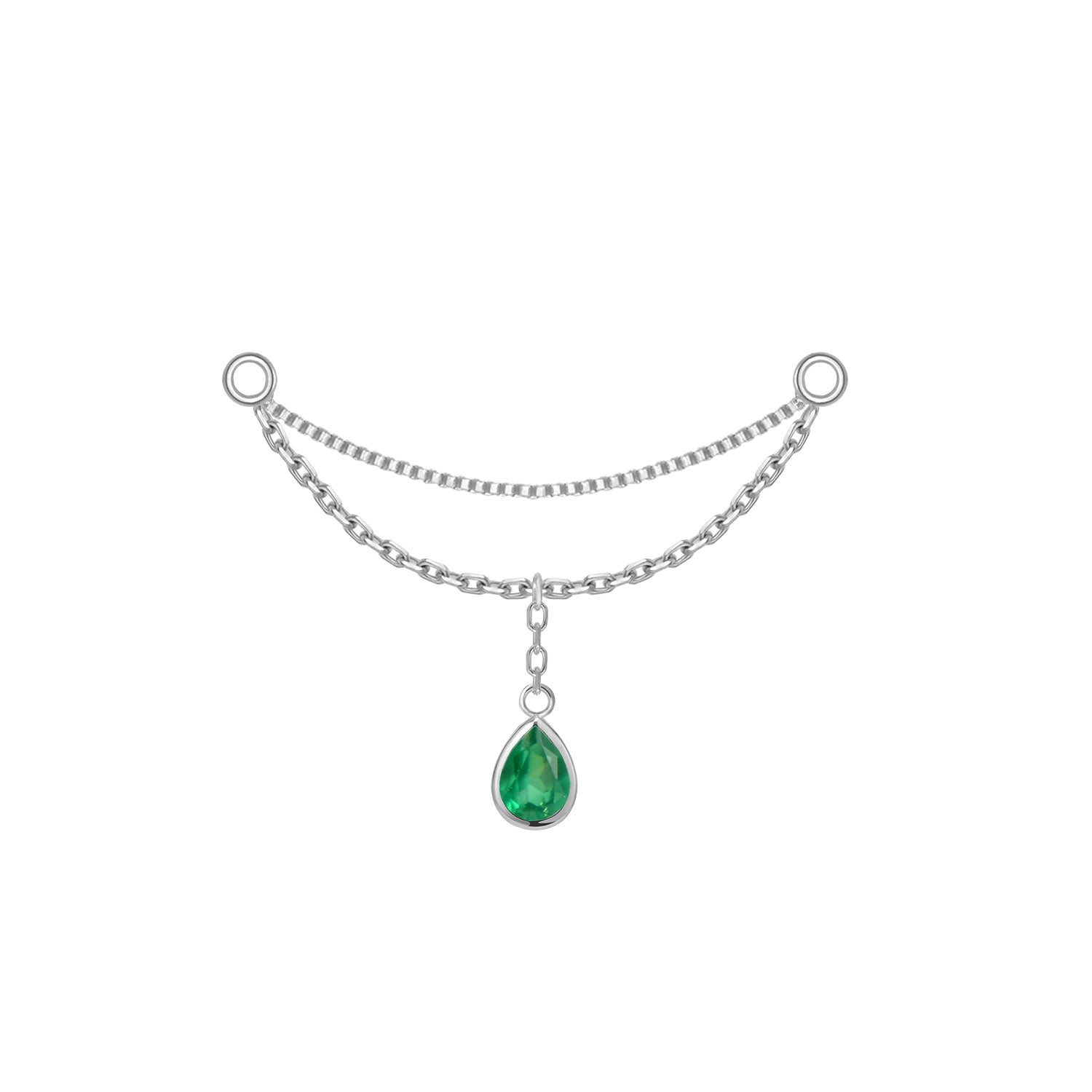
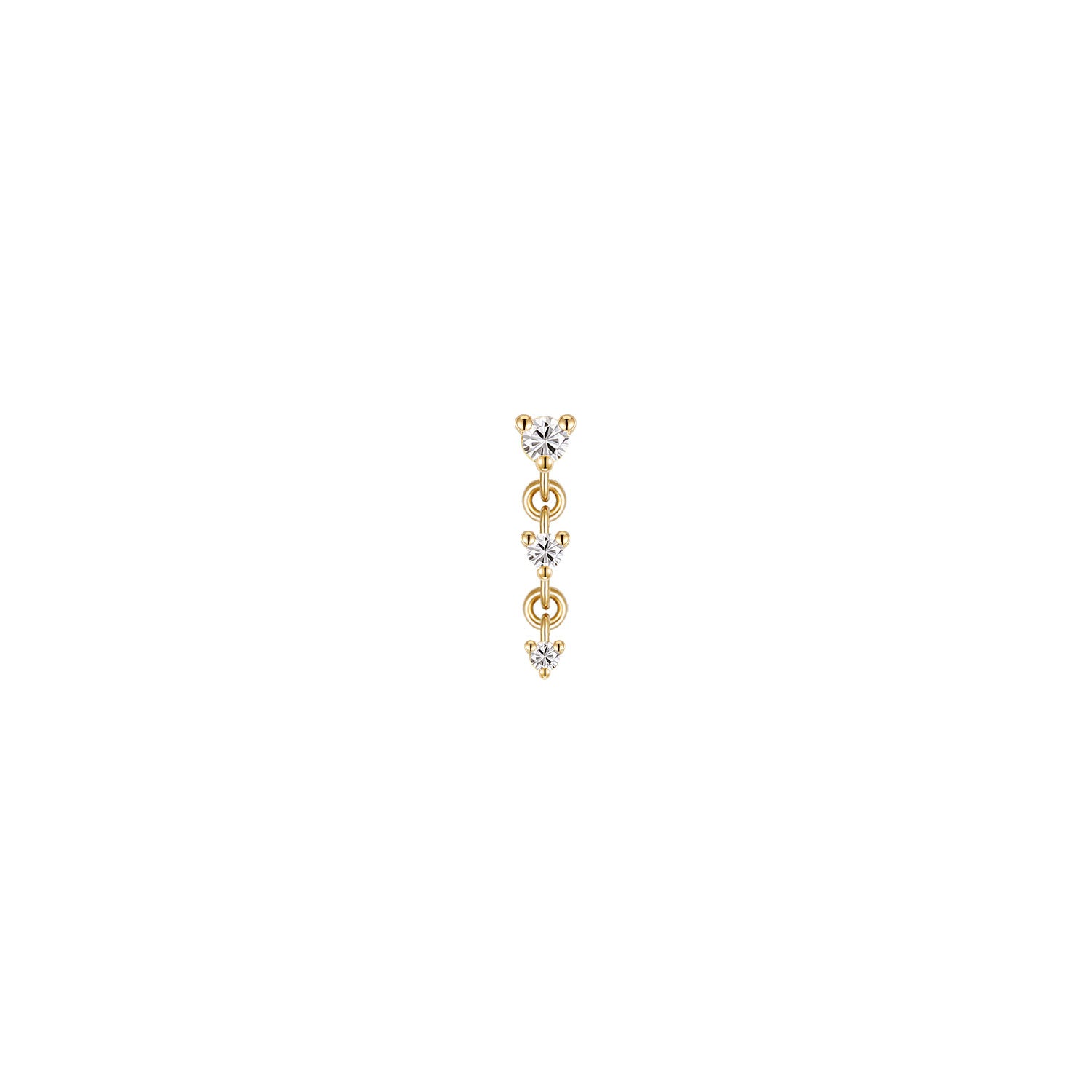
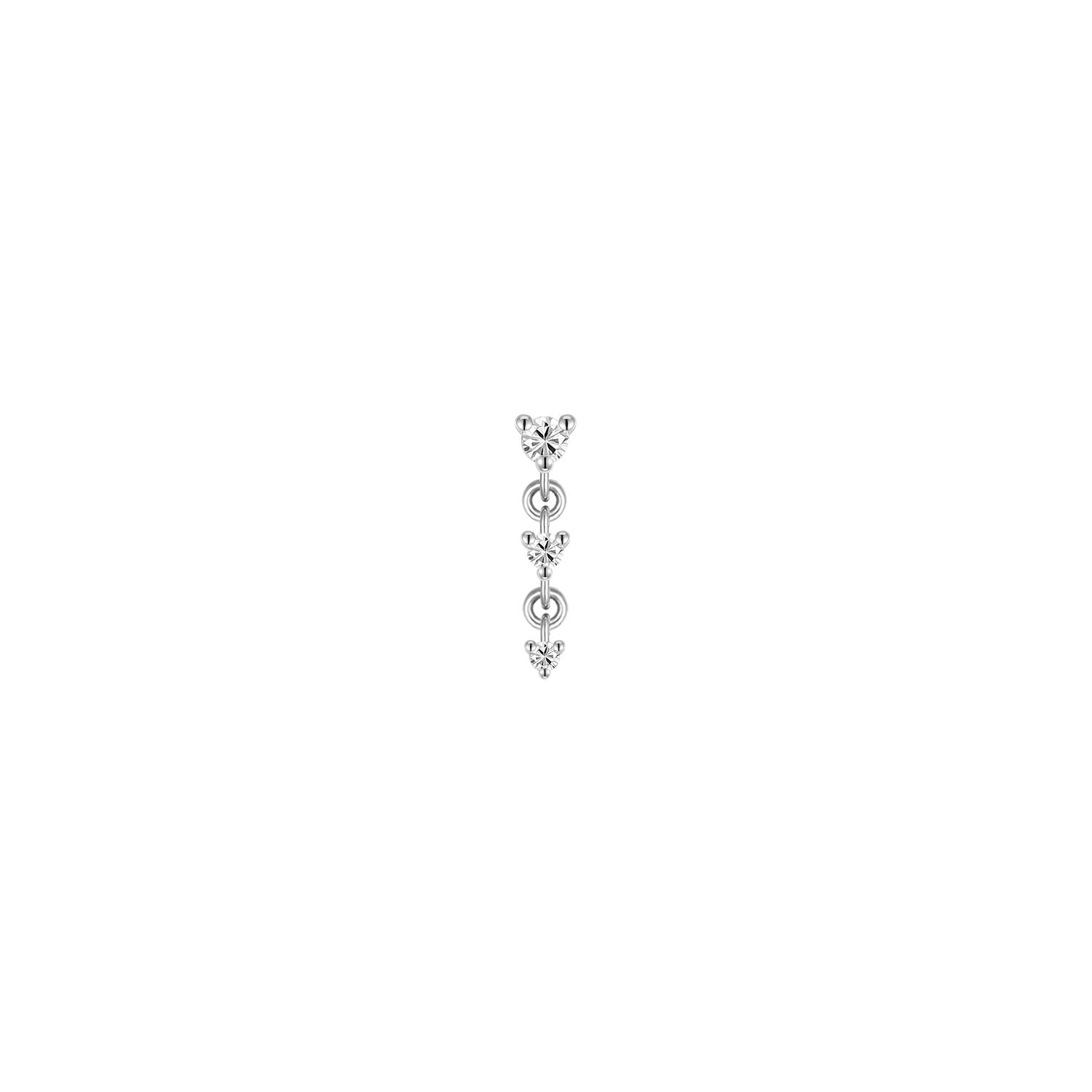
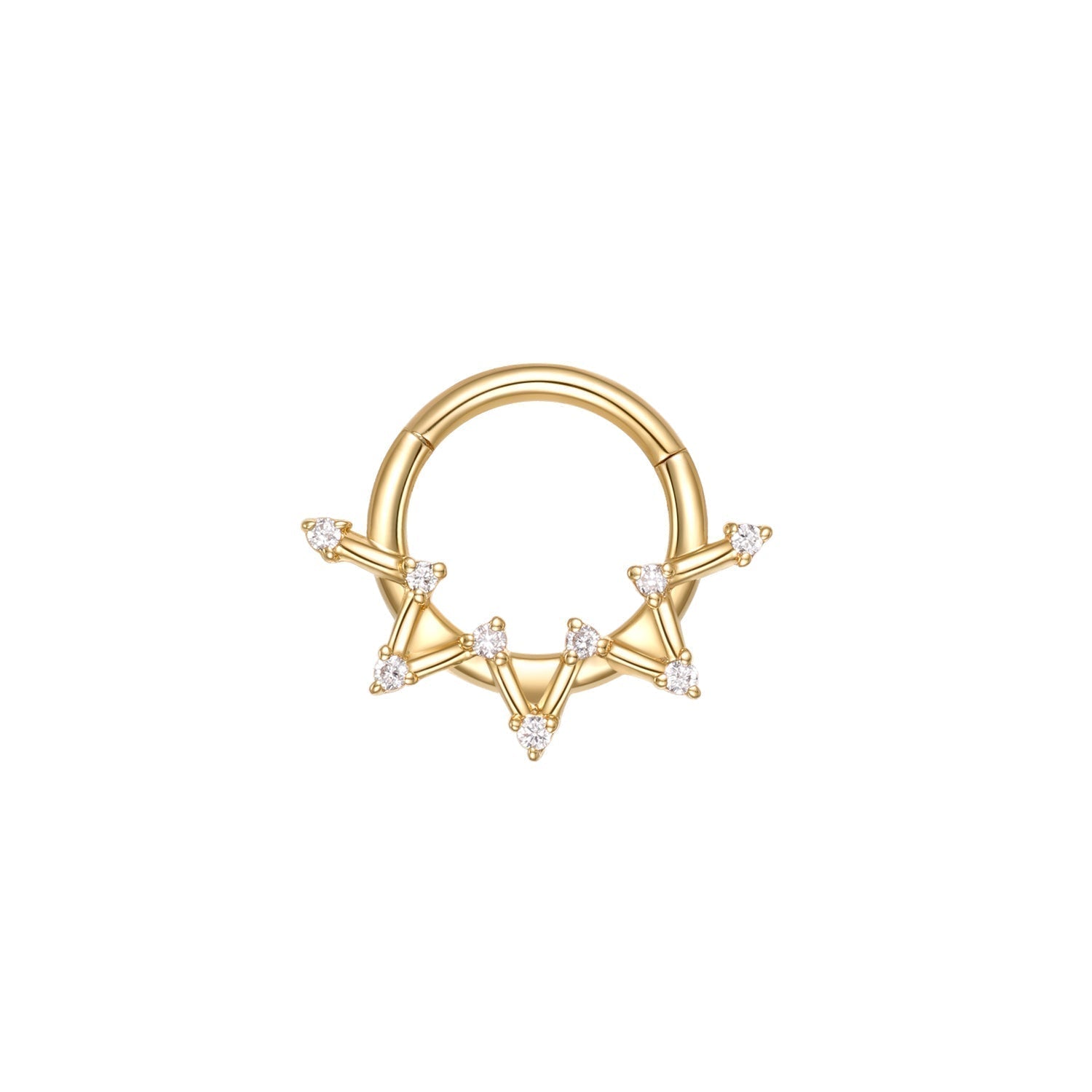
Our jewelry is typically 14k gold (with occasional 18k or platinum custom pieces) and may feature delicate stones such as opals, pearls, abalone, or turquoise. Because these materials undergo only mild cleaning during finishing, we recommend using a STATIM or Enbio S for sterilization.
While many clients report success with chamber autoclaves, choosing a STATIM or Enbio S helps ensure the beauty and longevity of every Modern Mood piece.