



Watermelon Tourmaline: Healing and Harmony for the Heart Chakra
The allure of Watermelon Tourmaline is multifaceted, stemming from its mesmerizing natural beauty, symbolic meaning, and unique geological formation. It is a stunning and increasingly popular choice in the fine jewelry and body piercing industries.
The Magic and Meaning of Watermelon Tourmaline
Watermelon Tourmaline is renowned for its enchanting aesthetic and metaphysical properties, making it feel truly "magical":
-
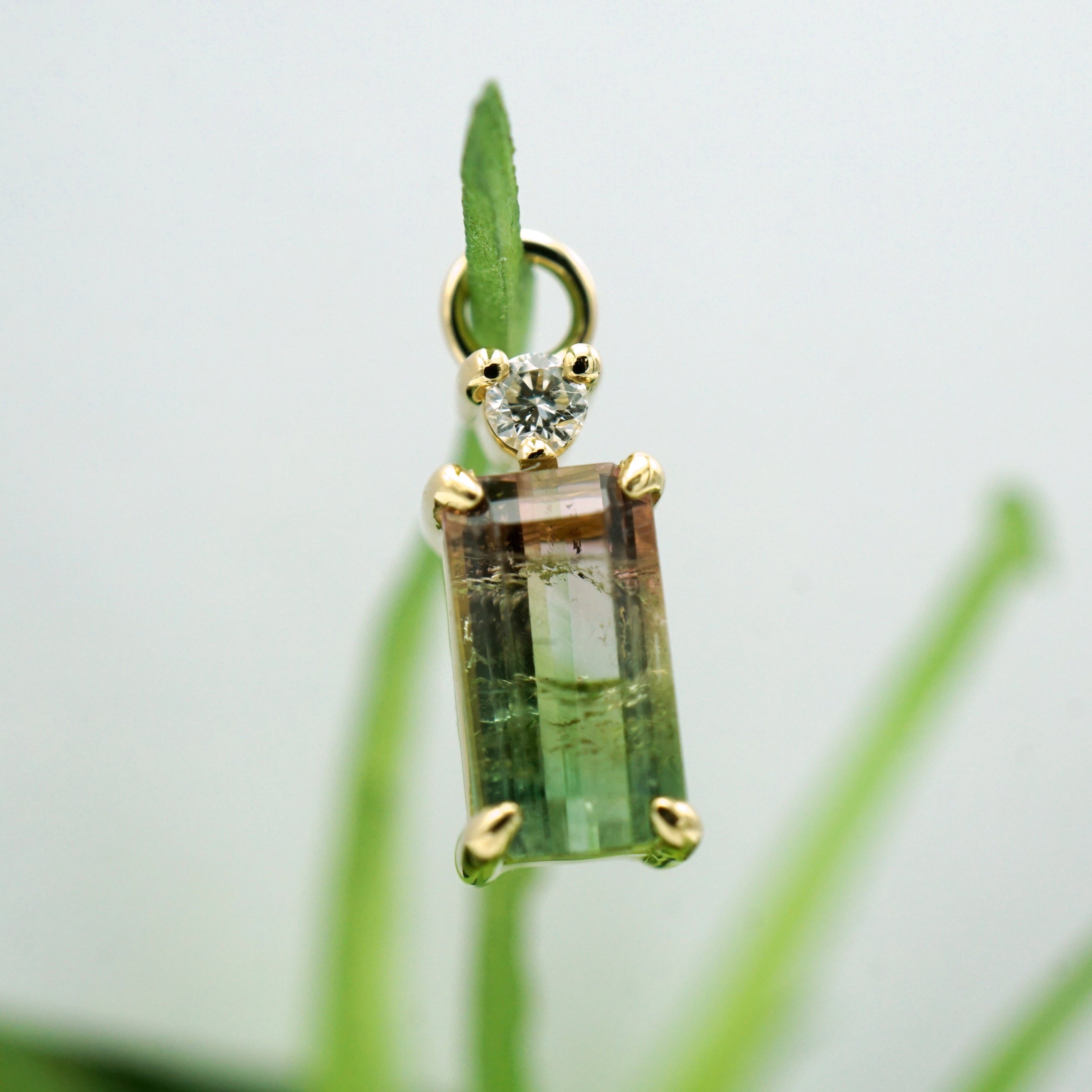
Heart-Centered Energy: It is primarily associated with the Heart Chakra, symbolizing love, compassion, and emotional healing. The vibrant green is said to represent life energy, growth, and the heart's exterior "rind," while the pink/red center encourages self-love, empathy, and emotional core healing.
-
Balance and Harmony: The distinct bi-coloration—pink or red core surrounded by a green layer—symbolizes balance, particularly the balance of the physical (green) and emotional (pink) realms, and the harmony of giving and receiving love.
-
Emotional Resilience: It is believed to be a powerful aid in soothing emotions, alleviating stress, and helping to move past emotional wounds and trauma, fostering a more joyful and positive mindset.

A Gemstone Perfect for the Piercing Industry
Watermelon Tourmaline is an excellent choice for the body jewelry and piercing industry due to its aesthetic qualities and durability:
-
Complementary Natural Color Tones: The soft, natural palette of rose-pink and muted-to-vibrant green is highly complementary to various metals, especially the most common in the body jewelry market:
-
14k Yellow Gold: The rich, warm tone of yellow gold beautifully frames and intensifies the green rind, while the pink center provides a soft, warm contrast, mirroring the gemstone's own contrasting hues.
-
14k Rose Gold: Rose gold echoes the pink core of the tourmaline, creating a harmonious and warm, monochromatic look.
-
14k White Gold/Platinum: The cool, bright white metal provides a crisp, modern boundary that makes both the pink and green colors pop with greater contrast.
-
Uniqueness and Organic Appeal: Often cut into thin slices (like a watermelon), each stone is inherently unique, showcasing its natural color zoning and organic growth structure. This uniqueness aligns perfectly with the desire for one-of-a-kind, artisanal, and natural body jewelry pieces.
-
Durability: Tourmaline has a hardness of 7 to 7.5 on the Mohs scale, which is durable enough for most daily wear in various jewelry forms, including body jewelry like navel curves, decorative threadless or threaded ends, hoops, chains and charms. However, as with all fine gemstones, it should be protected from harsh chemicals, sudden temperature changes, and hard impacts.
Geological and GIA Information
Geological Information
-
Mineral Group: Tourmaline is not a single mineral but a complex group of borosilicate minerals with a variable chemical composition. Watermelon Tourmaline is most often the lithium-rich species, Elbaite. Elbaite is a variety of tourmaline, and its meaning comes from its beautiful, rainbow-like spectrum of colors, with different hues associated with specific chakra-balancing and emotional healing properties, such as pink for love and compassion, green for nature connection, and blue for tranquility. Elbaite serves as October's birthstone and is known as the "stone of reconciliation," believed to promote emotional balance, inspire creativity, and foster a deeper connection to the self.
-
Composition: Its chemical formula is highly complex and variable, often represented as: XY3Z6(T6O18)(BO3)3V3W, where X, Y, and Z are sites for various elements like sodium, lithium, aluminum, and magnesium.
-
Formation: Watermelon Tourmaline is a classic example of color zoning within a single crystal. It forms in granitic pegmatites. The distinct color change occurs during the crystal's growth as the conditions (temperature, pressure, and chemical composition of the fluid) in its environment shift.
-
The pink/red center is typically formed first due to the presence of trace elements like Manganese (Mn).
-
The green outer layer forms later as the crystal is exposed to different trace elements, such as Iron (Fe) or other chemical shifts.
-
A thin, clear, or white layer can sometimes separate the two colors, marking a phase of abrupt change in the growth environment.
-
Sources: Notable sources for Watermelon Tourmaline include Brazil (especially Minas Gerais), Madagascar, Nigeria, and the United States (particularly Maine and California).
GIA (Gemological Institute of America) Information
The GIA classifies and evaluates tourmaline based on several key characteristics:
-
Species: Most gem-quality tourmaline, including the watermelon variety, is the species Elbaite.
-
Color Zoning: The GIA recognizes and evaluates the distinct color zoning, which is the defining characteristic of this stone. The price and desirability are heavily influenced by the vibrancy, saturation, and distinctness of the pink/red and green colors.
-
Clarity: Tourmaline is a Type II clarity gemstone, meaning it typically forms with some visible inclusions. High-clarity pieces are prized, but the unique slices often show inclusions which can be accepted as part of the stone's natural charm.
-
Durability: With a Mohs hardness of 7 to 7.5 and no cleavage, its durability is considered good, making it suitable for jewelry, but it is sensitive to heat and abrupt temperature changes (thermal shock) and can be damaged by ultrasonic (see below for our recommendations) and steam cleaners.
-
Treatments: While tourmalines, in general, may be heated to improve color, Watermelon Tourmaline's unique natural colors are typically desired. Irradiation may be used to enhance pink tourmaline, but visible treatments are generally rare, and fracture filling is the most common visible evidence of treatment on some included stones. No synthetic gem tourmaline exists
Important Considerations for Watermelon Tourmaline
While autoclaves are highly effective for sterilizing many materials, it's crucial to remember that Watermelon Tourmaline has specific sensitivities:
-
Heat Sensitivity: Tourmaline, including the watermelon variety, is sensitive to heat and abrupt temperature changes (thermal shock). Autoclave cycles involve high temperatures and steam, which could potentially damage the gemstone.
-
Cleaning: Tourmaline can also be damaged by ultrasonic (see below for our recommendations) and steam cleaners.
Here is how we suggest cleaning our Watermelon Tourmaline pieces:
First start with fresh gentle warm water then a dab whisper of dawn soap onto the piece and let soak for a couple moments and then ever so gently brush the piece with an EXTRA soft bristle tooth or jewelry brush. Then rinse it off in gentle clean water to see the beauty before you. If you need a more in-depth cleaning then a quick GENTLE, NO HEAT setting cycle through your clean ultrasonic. After all that jazz rinse the super gleaming piece off in chill water and let dry.
Please only use a STATIM or Enbio S autoclave to keep the longevity and integrity of this natural gemstone.

Works Cited:
-
"Tourmaline Jewelry and Gemstone Information." Gem Society, https://www.gemsociety.org/article/tourmaline-jewelry-and-gemstone-information/.
-
"Micro-Features of Tourmaline." Gemological Institute of America, Summer 2024, https://www.gia.edu/gems-gemology/summer-2024-micro-features-tourmaline#:~:text=While%20tourmaline%20is%20a%20common,and%20lithium%20have%20been%20concentrated.
-
"Tourmaline Buyer's Guide." Gemological Institute of America, https://www.gia.edu/tourmaline/buyers-guide#:~:text=Tourmalines%20often%20grow%20in%20an,View%20Gallery.
-
"Micro-Features of Tourmaline." Gemological Institute of America, Summer 2024, https://www.gia.edu/gems-gemology/summer-2024-micro-features-tourmaline#:~:text=Because%20tourmaline%20treatments%20have%20little,No%20synthetic%20gem%20tourmaline%20exists..
Read more
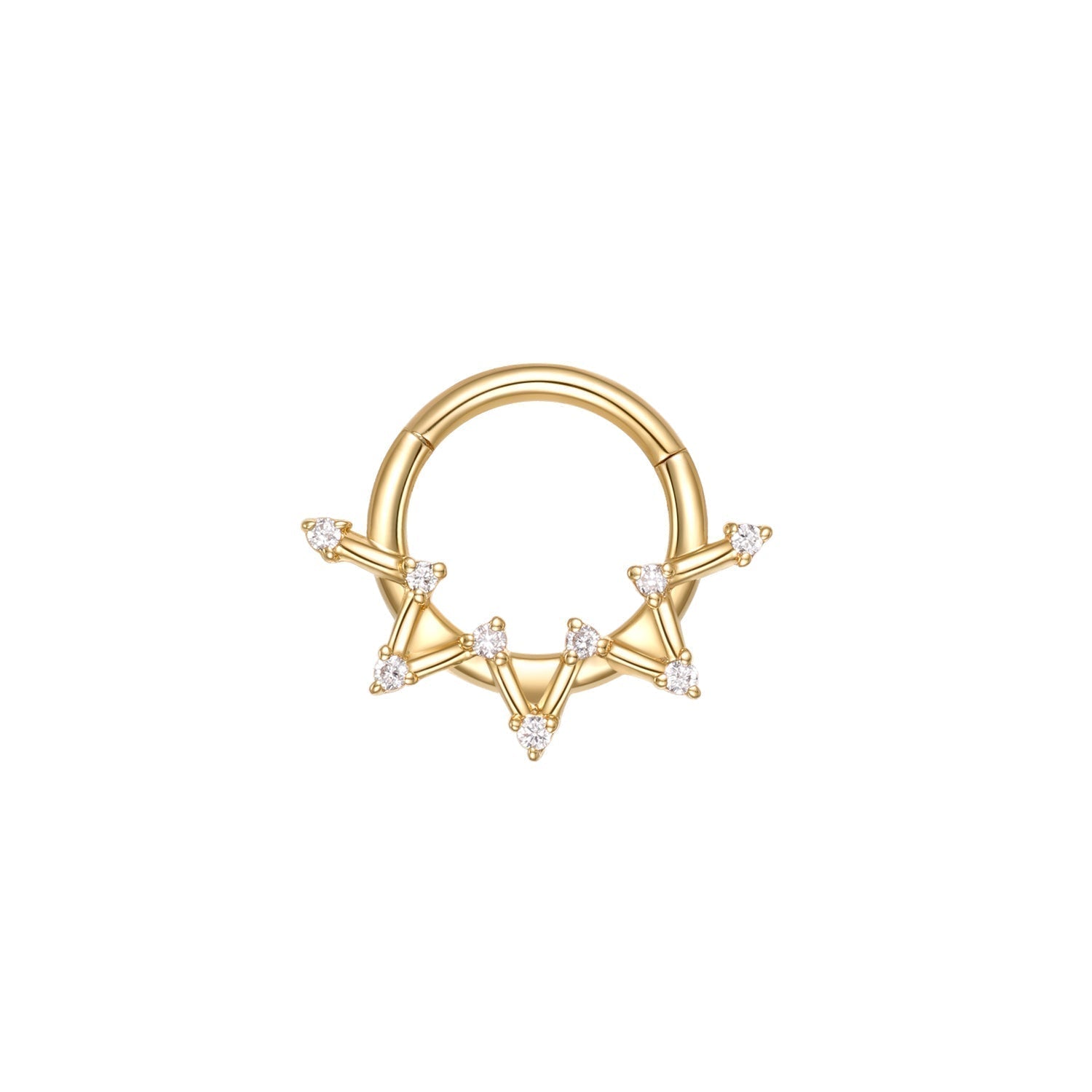
What is the best way to sterilize gold jewelry? In a traditional autoclave, a STATIM or an Enbio S? For a piercing to heal beautifully, and for a studio to operate with the highest integrity, pr...
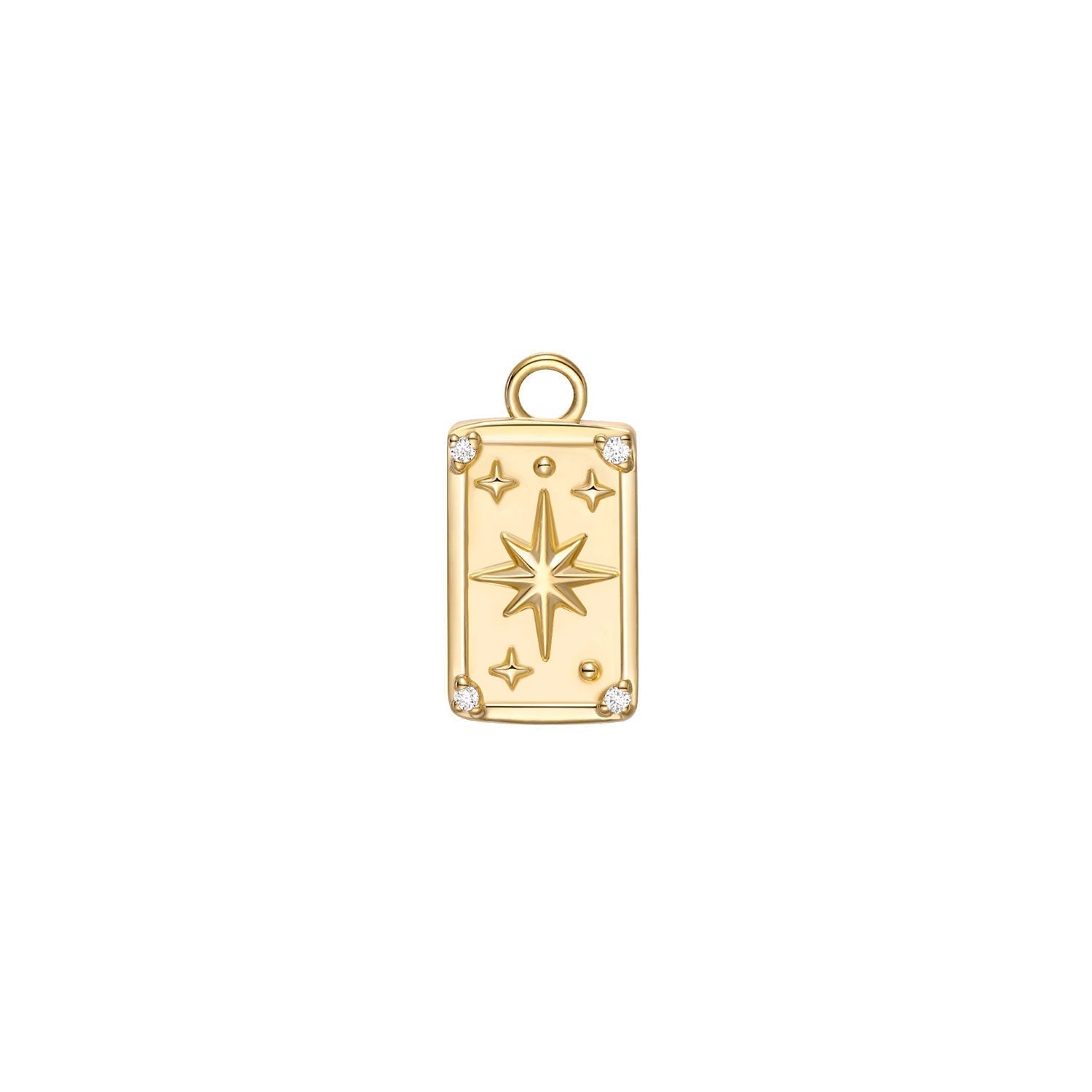
When you decide to adorn your body with a beautiful new piercing, aside from choosing a good piercer, the choice of jewelry is perhaps the most critical decision you'll make. It’s a choice that goe...